Silver Surges by 5%, Gold Hits Another Historic Record High – The Jerusalem Post
This image is property of images.unsplash.com.

Understanding the Recent Surge in Silver and Gold Prices
In a recent article from The Jerusalem Post, it was reported that silver has experienced a 5% surge while gold has hit another historic record high. These significant price movements in the precious metals market have caught the attention of investors and economists alike. In this article, we will delve into the factors contributing to the surge in silver and gold prices and what it means for the wider economy.
Factors Driving the Surge in Silver Prices
The surge in silver prices by 5% has left many wondering what is causing this rapid increase in value. One major factor contributing to the rise in silver prices is an increase in demand for safe-haven assets. With global economic uncertainty and geopolitical tensions on the rise, investors are flocking to precious metals like silver as a way to protect their wealth.
Additionally, the recent surge in industrial demand for silver has also played a significant role in driving up prices. Silver is widely used in various industries, including electronics, solar panels, and medical applications. As the global economy continues to recover from the impact of the pandemic, the demand for silver in industrial applications is expected to rise, further boosting its price.
Implications of Gold Reaching Another Historic Record High
Gold, often seen as the ultimate safe-haven asset, has hit another historic record high. This milestone has several implications for the global economy and financial markets. The surge in gold prices is a reflection of the uncertainty and volatility in the financial markets, as investors seek out assets with stable value.
The record high for gold also signals concerns about inflation and currency devaluation. Historically, gold has been seen as a hedge against inflation, as its value tends to rise when fiat currencies lose value. As central banks around the world continue to implement unprecedented monetary stimulus measures, the demand for gold as a store of value is likely to remain high.

What Does the Surge in Precious Metals Prices Mean for Investors?
As an investor, the surge in silver and gold prices may have significant implications for your portfolio. Understanding how these price movements can impact your investments is crucial for making informed decisions. Let’s explore what the surge in precious metals prices means for investors.
Diversification and Hedging Against Risk
Precious metals like silver and gold are often viewed as safe-haven assets that can help diversify and hedge against risk in a portfolio. When traditional assets like stocks and bonds are facing volatility, holding precious metals can provide stability and preserve wealth. By adding silver and gold to your investment mix, you can reduce the overall risk in your portfolio and protect yourself against market downturns.
Inflation Protection and Wealth Preservation
One of the key reasons investors turn to precious metals is their ability to protect against inflation and preserve wealth over the long term. In times of economic uncertainty, when central banks are printing money at unprecedented rates, the purchasing power of fiat currencies can erode. Precious metals like gold and silver, on the other hand, have intrinsic value and can provide a hedge against inflation. By investing in these assets, you can safeguard your wealth and mitigate the risks of currency devaluation.
Long-Term Growth Potential
While precious metals are often seen as a store of value during times of crisis, they also offer long-term growth potential for investors. As the global economy continues to evolve and new technologies emerge, the demand for silver and gold in industrial applications is expected to rise. This growing demand can drive up the prices of precious metals over time, providing investors with opportunities for capital appreciation. By incorporating silver and gold into your investment strategy, you can benefit from both short-term price movements and long-term growth potential.
This image is property of images.unsplash.com.
How to Invest in Precious Metals
If you are considering adding precious metals to your investment portfolio, there are several ways you can invest in silver and gold. From physical bullion to exchange-traded funds (ETFs), there are various options available for investors looking to gain exposure to precious metals. Let’s explore some of the common ways to invest in silver and gold.
Physical Bullion
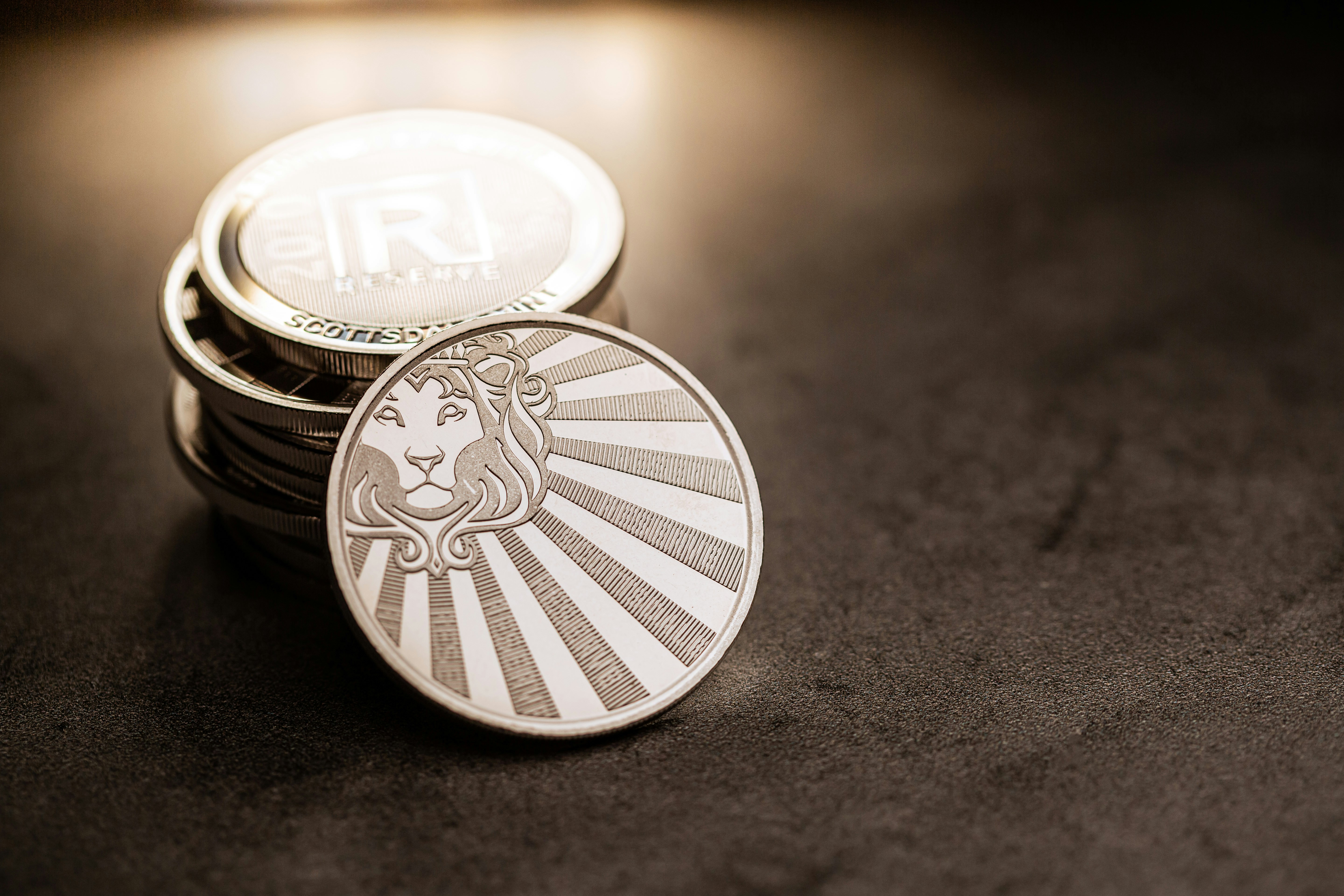
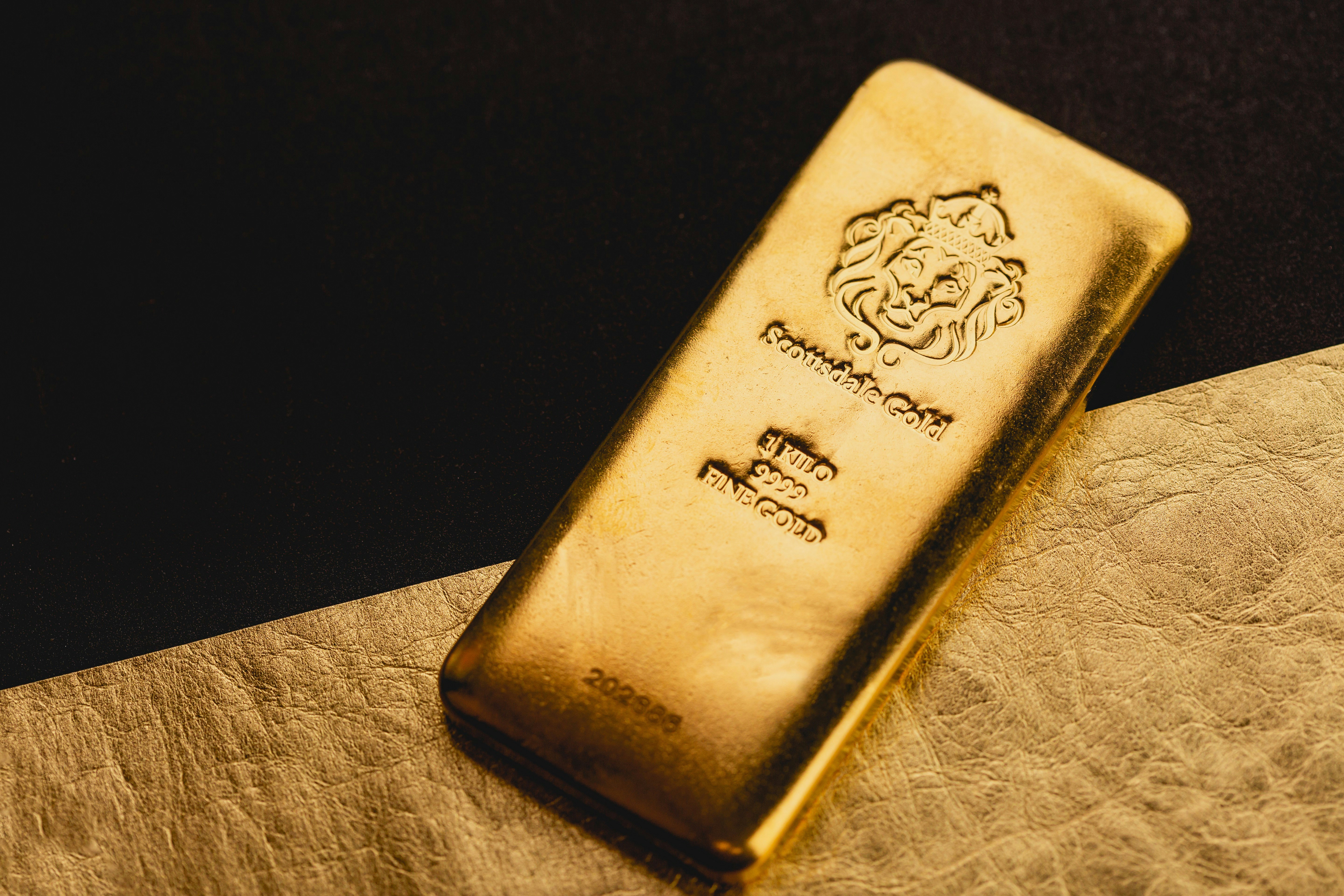
One of the most traditional ways to invest in precious metals is by purchasing physical bullion. This can include gold and silver bars, coins, and rounds. Buying physical bullion gives you direct ownership of the metal, which can be stored at home or in a secure vault. While physical bullion offers a tangible asset that you can hold in your hand, it also comes with storage and security considerations.
Precious Metals ETFs
Exchange-traded funds (ETFs) that track the performance of silver and gold are another popular option for investors. Precious metals ETFs provide exposure to the price movements of silver and gold without the need to hold physical bullion. Investing in ETFs is a more liquid and convenient way to gain exposure to precious metals, as they can be bought and sold on the stock exchange like any other security.
Mining Stocks
Investing in mining stocks is another indirect way to gain exposure to precious metals. Mining companies that produce silver and gold can offer investors the opportunity to benefit from the rising prices of these metals. By investing in mining stocks, you are essentially investing in the companies that extract and process precious metals. While mining stocks can be more volatile than physical bullion or ETFs, they also have the potential for higher returns.
This image is property of images.unsplash.com.
Conclusion
The recent surge in silver prices and gold reaching another historic record high has raised important questions for investors and economists. Understanding the factors driving these price movements and their implications for the wider economy is essential for making informed investment decisions. Whether you are looking to diversify your portfolio, hedge against risk, or capitalize on the long-term growth potential of precious metals, there are various ways to invest in silver and gold. By incorporating these assets into your investment strategy, you can protect your wealth, preserve purchasing power, and capitalize on the opportunities presented by the precious metals market.