
?Have you ever stood in your kitchen, felt the grain of wood beneath your fingers, and wished you could bring out its quiet life without turning it glossy or artificial?

First impressions
When you lift the can of Real Milk Paint, Hemp Oil for Wood Finishing, Cutting Boards, Butcher Blocks, Countertops, Wood Utensils, Food Grade, 1 Gallon, there is a small weight to it that feels honest. The label is spare in the way of things that have nothing to prove — matte finish, natural oil, food grade — and that kind of restraint often means the work is meant to be practical rather than showy.
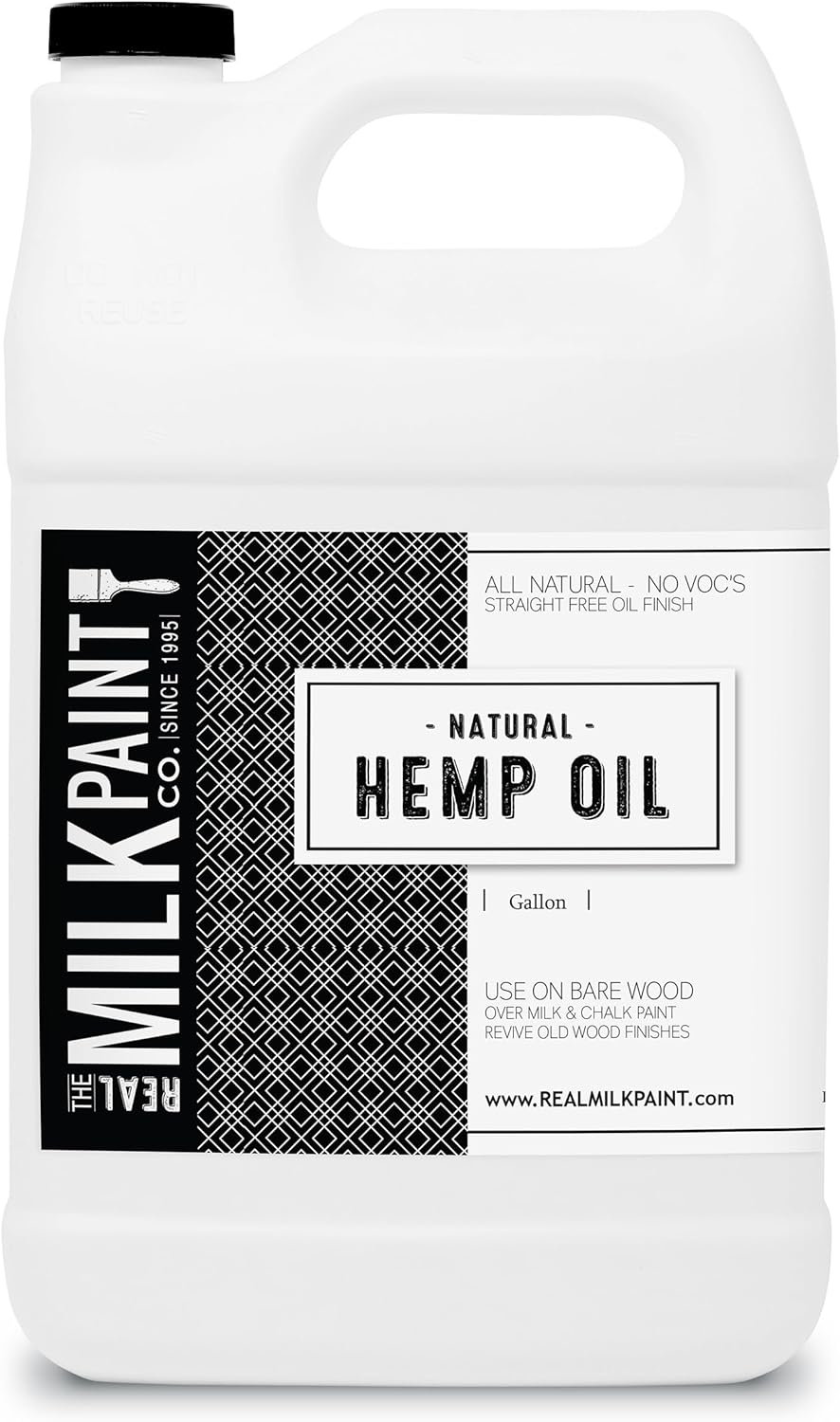
Real Milk Paint, Hemp Oil for Wood Finishing, Cutting Boards, Butcher Blocks, Countertops, Wood Utensils, Food Grade, 1 Gallon
What this product is and who it’s for
You can think of this hemp oil as a steady companion for the kitchen and the workshop, the kind you reach for when you want to treat objects that will see daily use. It is for people who like their wooden surfaces to look lived-in but cared for, those who want protection without a lacquered shine.
Product name and catalog details
The full product name reads like a list of intentions: Real Milk Paint, Hemp Oil for Wood Finishing, Cutting Boards, Butcher Blocks, Countertops, Wood Utensils, Food Grade, 1 Gallon. Each phrase tells you where it’s meant to be used and what promises it carries; it’s almost like a set of instructions wrapped on the label.
Intended uses
You’ll find yourself using it on newly built cutting boards, heirloom butcher blocks, hand-turned utensils, and sanded countertops that you don’t want to seal in plastic. It also works over milk paint and chalk paint, which means you can refresh refinished furniture without stripping the character that got you to keep it in the first place.
This image is property of Amazon.com.

Packaging and presentation
The can arrives simple and unassuming, and that aesthetic follows through when you open it: matte-finish oil with a faint nutty scent. It’s presented as a functional product rather than an objet d’art, which suits its domestic life; you are buying something to use, not merely to display.
Labeling and safety information
The label is straightforward about cure times and food safety, stating clearly that it’s food grade and clarifying that curing is part of how it becomes water-resistant. You’ll also find notes on VOCs and solvents — all are absent — which is comforting if you think about what you bring into a kitchen where you prepare meals.
Size, value, and what a gallon buys you
A gallon gives you a lot of mileage: several cutting boards or a generous run on countertops, depending on grain and porosity. You’ll often measure value not just by coverage but by how the finish ages; a single gallon that keeps your kitchen surfaces healthy for years is a bargain in the slow, economical sense of the word.
Quick reference — specifications table
| Feature | Details |
|---|---|
| Product Name | Real Milk Paint, Hemp Oil for Wood Finishing, Cutting Boards, Butcher Blocks, Countertops, Wood Utensils, Food Grade, 1 Gallon |
| Finish | Matte |
| Aroma | Light, nutty |
| Volume | 1 Gallon |
| Food Grade | Yes — safe for food contact |
| VOCs | All natural, solvent-free |
| Cure Time (partial) | 7–10 days |
| Cure Time (full) | 15–30 days |
| Water Resistance | Yes, after curing |
| Penetration | Naturally thin viscosity, penetrates porous surfaces well |
| Uses | Cutting boards, butcher blocks, countertops, utensils, furniture, over milk/chalk paint |
| Coverage | Varies by porosity; typically several coats per project |
| Storage | Store in cool, dry place; reseal after use |
This table should give you a snapshot you can consult while you plan projects, but it’s only part of the story — the rest is in how you work with it and how your wood reacts.

This image is property of Amazon.com.

Application experience
There’s a particular quiet ritual to applying a penetrating oil that you quickly come to enjoy: sanding, wiping, brushing, waiting. The hemp oil itself behaves like a thoughtful medium — not showy, not passive either — and it responds to how carefully you treat your wood.
Preparing the wood
You’ll start with sanding; the smoother you make the surface, the more evenly the oil will absorb, and the less likely you are to create blotches or an uneven sheen. Wipe away dust with a tack cloth or a lint-free rag, because any particulate left behind will stay where it is underneath the oil.
How to apply
Apply with a clean, lint-free cloth, a natural-bristle brush, or by pouring a small amount and rubbing it in with a circular motion along the grain. Work in manageable areas; over-application is easily corrected by wiping away excess within a few minutes, which keeps the finish matte rather than slick.
How many coats and re-coating
Most projects benefit from two to three thin coats rather than one heavy one — you’re building protection gradually, and each thin coat penetrates better. Between coats you’ll want to gently buff and allow the surface to rest so the oil can sink in; patience here pays off in durability and a balanced look.
Drying and curing
Initial tackiness dissipates within a week or so, and the oil reaches a useful water-resistant state in about 7–10 days for partial cure. Full curing takes longer, 15–30 days, and you’ll notice that only after that period will the surface reach optimum hardness and long-term water resistance.
Performance on different surfaces
Different wood species and different prior treatments will change how the oil looks and behaves once applied; that’s part of its charm. Some woods drink the oil greedily, while others accept it with restraint, and you learn to read the grain as you work.
Cutting boards and butcher blocks
On boards that will see daily knife action, you’ll appreciate that the hemp oil penetrates deeply rather than sitting on the surface, so it won’t chip off under a cleaver. Because it’s food grade, you can apply and use the board without worry after proper curing, and over time the surface will take on a rich, tactile quality that feels both clean and lived-in.
Countertops
For countertops you want protection against the things a day brings — spilled coffee, a splash from the sink, the casual drip of oil from a salad bowl. The oil’s water-resistant properties are useful here, but you must remember that it’s not a hard film finish; it will require periodic maintenance, especially in a high-use kitchen.
Wooden utensils and bowls
Wooden utensils treated with this hemp oil keep the warm, raw feeling of wood in your hand, while being protected from moisture and staining. The oil’s thin viscosity means it penetrates handles and bowls well, diminishing the chance that a utensil will warp or crack as seasons change.
Furniture and painted surfaces
Applied over milk paint or chalk paint, the oil acts as a gentle top treatment that reinforces rather than masks the paint. It’s particularly apt for rustic or shabbied pieces where you want to maintain matte character instead of glossy regeneration.

This image is property of Amazon.com.
Aesthetic result — the look and feel
What you’ll like most about the finish is that it reads as honest: a matte, natural-looking surface that highlights grain and texture without gloss. It feels like an extension of the wood’s identity rather than a cosmetic surgery; the wood remains itself, only more resilient.
Color enhancement and grain
The hemp oil will darken fresh wood slightly, knitting the grain together and accentuating pattern. Over time, the darkening mellows, and the surface develops a nuanced patina that you’ll start to recognize as the countertop’s or board’s signature.
Sheen and tactile impression
You won’t get a lacquer-like shine; instead, the finish gives a soft, hand-warm sheen that invites touch. When you run your palm across a treated surface, there’s a smoothness that retains friction — ideal for cutting boards and utensils where you want grip as well as finish.
Durability and maintenance
Durability here is a matter of regular care rather than an impenetrable fortress. The oil protects against moisture and staining, but it’s not a sacrament against heavy impact or gouges; small scratches can be filled in with an additional coat, and routine reapplication keeps the wood healthy.
How often to reapply
For items in heavy use — cutting boards, frequently used countertops — a monthly light oiling is not excessive if you cook often. For less-used furniture, every few months or even annually can be sufficient; your eye and touch will tell you when the wood looks dry or sounds dull.
Cleaning treated surfaces
Clean with mild soap and water; avoid harsh detergents or soaking, and never use abrasive pads that can remove the oil layer. If the surface stains deeply, sand lightly, wipe clean, and reapply hemp oil to rejuvenate the area.

This image is property of Amazon.com.
Safety and food-grade considerations
Because you’ll likely be preparing food on treated surfaces, safety is not a trivial point but the product’s defining feature. The label stresses food-grade status, and the absence of solvents means you’re not sealing in volatile chemicals that might off-gas into your kitchen.
Odor and allergy considerations
The scent is a light, nutty aroma that fades as the oil cures; it’s not the heavy smell of drying oils like tung or linseed. If you or someone in your home has a strong nut allergy, consult a physician before use; while processed hemp seed oil is different from common tree nuts, caution is a reasonable default.
Handling, storage, and disposal
Store the gallon in a cool, dry place and keep the lid secure to prevent contamination and slow oxidation. Rags soaked with oil can self-heat and pose a fire risk; you must lay them flat to dry or immerse them in water in a sealed metal container before disposal.
Environmental and health profile
You’re buying a product that positions itself as natural — no solvents, low VOCs — which matters if you care about indoor air quality. The sourcing from industrial hemp plants and the lack of synthetic additives give it a modest ecological footprint, especially compared to petrochemical finishes.
VOCs, solvents, and air quality
Because the oil is solvent-free, it emits fewer volatile organic compounds, which means your kitchen does not get that chemical haze of new finishes. Over time, this is kinder to indoor air and to the people who live in the home, especially children and anyone with respiratory sensitivities.
Biodegradability and renewability
Hemp is a fast-growing, high-yield crop that doesn’t need massive inputs compared to some alternatives, and the oil’s biodegradability means it won’t linger in the environment in the same way synthetic polymers do. That said, the finished wood treated with oil is still a human-made combination of material and finish, and when it’s time to refinish or dispose, think about reuse and reclamation first.
This image is property of Amazon.com.
Comparison with other common oils
When you compare hemp oil to the roster of common wood oils, certain practical differences emerge: drying time, hardness, sheen, and food safety claims. Your choice often comes back to the balance you want between natural look, maintenance rhythm, and how much protection you need.
Hemp oil vs mineral oil
Mineral oil is a go-to for many because it’s inert, inexpensive, and easy to reapply, but it doesn’t cure; it’s a barrier that can wash away and needs frequent reapplication. Hemp oil, in contrast, cures to a more water-resistant finish and becomes part of the wood’s structure, giving longer-term protection with less frequent maintenance.
Hemp oil vs tung oil and linseed oil
Tung oil and boiled linseed oil historically give a deeper, richer finish and can build toward a slight sheen; they also cure differently and sometimes contain additives. Hemp oil’s matte tendency and food-safe marketing give it an edge for kitchenware, while tung might be chosen for pieces where you want a satin or semi-gloss patina.
Hemp oil vs commercial polyurethane or varnish
Polyurethane creates a hard, film-like top layer that provides excellent protection but at the price of surface plasticization and gloss. If you want a natural-feeling surface that you can repair patch by patch, hemp oil is preferable; if you need near-indestructible surface resistance and don’t mind the polymeric look, choose polyurethane.
Pros and cons, plainly stated
You’ll find many virtues in this hemp oil: food safety, matte aesthetic, solvency-free profile, and pleasant handling characteristics when applied properly. The trade-offs are practical: it requires a maintenance regime, it won’t create a glass-hard finish, and full curing takes time during which you must treat the surface gently.
Pros
- Food grade and safe for kitchen use.
- Matte natural finish that enhances grain without gloss.
- Solvent-free, low VOC formulation.
- Good penetration on porous surfaces.
- Works over milk paint and chalk paint.
Cons
- Requires periodic reapplication for high-use surfaces.
- Not a film finish; less protective against deep cuts or heavy abrasion.
- Full cure takes up to 30 days.
- Rags soaked in oil require careful disposal due to spontaneous combustion risk.

This image is property of Amazon.com.
Troubleshooting common issues
If you notice blotchy color, sticky tackiness, or uneven sheen, each problem has a straightforward remedy you can perform in your workshop or kitchen. The oil is forgiving, and often correction means patience and a light corrective procedure rather than a full strip down.
Blotching and uneven absorption
Blotching usually means the wood was not sanded evenly or had an inconsistent pore profile. Sand progressively to smoothness, pre-condition oily woods if needed, and apply thin coats to mitigate blotchiness.
Sticky or tacky finish
If it remains tacky beyond the designated partial cure time, it may have been applied too heavily or the weather was too cool and humid for proper oxidation. Wipe away excess oil, allow extended curing time in warm dry conditions, and consider light sanding before another thin coat.
Darkening more than expected
All penetrating oils darken wood to some degree; if the effect is more than you meant, you can minimize future darkening by wiping more thoroughly after each application or dilute the oil with a compatible solvent sparingly, though the latter undermines the solvent-free promise.
Tips and tricks from long use
You’ll find that small habits preserve your surfaces and save you work: a quick monthly oil, a soft cloth tucked into an easy-to-reach drawer, and a small jar of oil for spot repairs. These small rituals can turn maintenance into a domestic pleasure rather than a chore.
How to apply for best matte results
Rub in very thin coats and wipe off excess within a couple of minutes; the goal is absorption, not surface pooling. If you prefer an ever-so-slight sheen, allow thin coats to build gradually and buff lightly between coatings.
Speeding up curing safely
Place the item in a warm, dry room with good airflow to encourage oxidation, but avoid direct heat or sunlight which can cause uneven curing or warping. Do not use forced high heat or ovens; that risks smoke and degradation of the oil’s food-safe quality.
Spot repairs and long-term refresh
When your board looks tired, sand lightly to remove surface stains, reapply a thin coat, and let it cure; the board is often revitalized with minimal work. Keep a small bottle in the kitchen for quick touch-ups after deep cleaning or stain removal.

This image is property of Amazon.com.
Real-world user scenarios
Picture a weekday morning: you reach for a spoon, run it under water, and straighten the grain of the handle with your thumb. Or imagine preparing a roast and the countertop resists the red wine you feared it would drink in. These are the small victories the oil offers you over time.
Family kitchens and heavy use
If your home hosts messy cooks and frequent guests, the oil’s ease of refreshment makes it practical; you can sand out knife marks and re-oil without refacing the whole surface. You’ll learn to live with some imperfections because the wood’s story is what you’re preserving, not erasing.
For craftspeople and makers
If you make boards or utensils to sell or gift, choosing a food-safe oil is simple courtesy; the hemp oil’s matte finish sits well with handcrafted aesthetics. You’ll find customers appreciate a finish that feels natural and is easy to renew.
Sustainability and ethical considerations
You may care about where materials come from and how they’re processed, and hemp oil ticks several positive boxes: renewable raw material, minimal processing, and low chemical load. The broader supply chain matters too, but choosing hemp is often a step toward lower environmental impact compared with fossil-derived alternatives.
Sourcing and traceability
If traceability is important to you, ask the manufacturer about the hemp source and extraction methods; some producers are more transparent than others. Because this oil is part of a growing market for plant-based finishes, demand encourages better practices, and your purchase can be part of that shift.
Disposal and lifecycle thinking
When an item reaches the end of its life, consider reclaiming the wood for a new project or donating it; the oil’s biodegradability helps, but salvaging the material preserves more than landfill avoidance — it preserves resources and stories.
Final verdict
If your priority is a natural, food-safe finish that honors wood’s tactile and visual qualities without gloss, Real Milk Paint Hemp Oil is a strong choice you’ll return to. It asks for a rhythm of care rather than total armor, and if you enjoy the daily attention of a well-used kitchen, it rewards you with surfaces that age with grace.
Should you buy it?
Yes, if you value a matte, penetrating finish that’s safe for food contact and you’re willing to maintain your pieces over time. It’s less suitable if you want a forever-hard shell that resists all abuse instantly, but for the lives you live in kitchens and workshops, it’s a companionable, sensible product.
Final practical notes
Keep rags properly handled, allow the full curing time before heavy use, and be prepared to reapply as part of regular maintenance. Do that and your boards, blocks, and utensils will feel cared for — and lived in — in a way that makes the ordinary act of preparing a meal feel quietly considered.

Disclosure: As an Amazon Associate, I earn from qualifying purchases.