
?Have you ever wished a simple tarp could feel like a dependable neighbor — steady, plain, and ready when you need it?

This image is property of Amazon.com.

First impressions
When you unroll the Dry Top 61224 Canvas Tarp, 12×24 Feet, Olive Green Drab, you notice a weight to it that feels like an honest thing. The color is a muted, utilitarian green that won’t shout from the yard but will sit comfortably against trees, trucks, or a lean-to, the way an old coat settles over a chair.
You get the sense right away that this is made with purpose rather than show. The smell of treated canvas and the subdued heft tell you it’s built to last, not to be admired.
Packaging and what arrives
The tarp comes folded and hemmed, and when you lift it out of its packaging you see the double-stitched seams and brass grommets arranged around the edges. It’s obvious the tarps are cut to size and finished, so you should expect the actual dimensions to be slightly smaller than advertised.
You’ll appreciate that the company lists practical details up front; it saves you the small, annoying surprises — like discovering your “12×24” sheet is actually trimmed and hemmed down a few inches on each side.
Dry Top 61224 Canvas Tarp, 12x24 Feet, Olive Green Drab
Material and construction
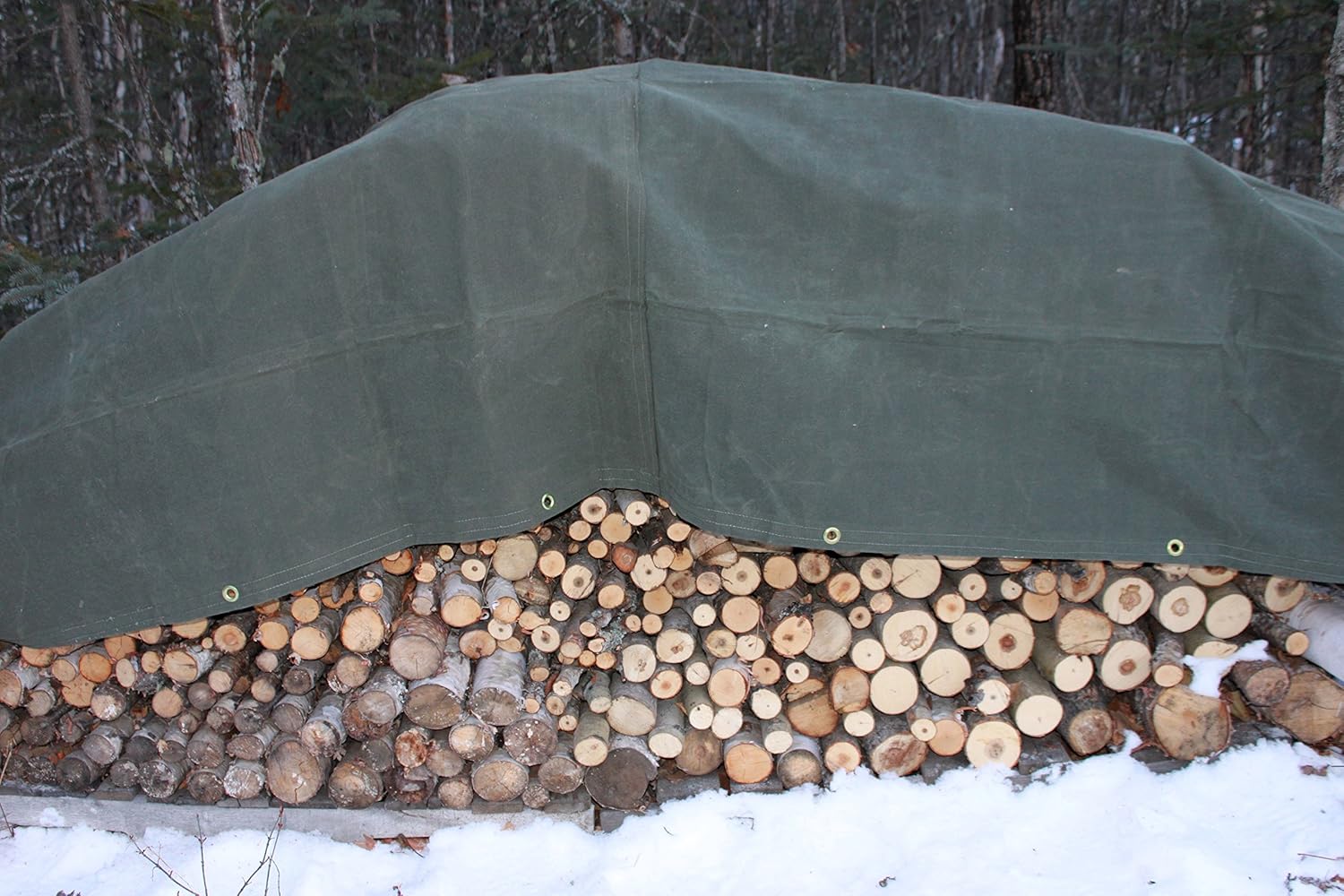
This tarp is made of treated canvas material finished to roughly 16-18 ounces per square yard, a density that sits in the heavy-duty range. That finish gives the fabric a sturdiness you can feel when you drag it across a wet vehicle hood or use it to shelter a stack of firewood.
The construction is straightforward and functional: double-stitched hems and seams for reinforcement, brass grommets in the corners and spaced about every 18 inches around the edge, and the cut-size finish that makes the usable dimensions a few inches less per side. Each of those choices is about longevity rather than flair.
Fabric weight and what it means for you
At 16-18 oz/sq yd, this canvas is heavy enough to resist punctures, thorns, and typical wear from wind and brushing branches. It’s not the thickest canvas available, but it balances weight and manageability in a way that works for most hands.
You should expect this material to flex and soften with use; that treated finish will weather in a pleasant, serviceable way rather than turn brittle overnight.
Grommets, hems, and reinforcements
You’ll find brass grommets at each corner and roughly every 18 inches around the perimeter, which gives you plenty of places to anchor the tarp without feeling like you have to ration your rope. The double-stitched hems reduce fraying and give you a seam that will stand up to repeated tying and tension.
Brass resists rust and corrosion, which is especially useful if you live in a damp climate or plan to keep the tarp on a trailer or off-season project.

This image is property of Amazon.com.

Size, fit, and the CUT SIZE detail
Understand that these tarps are cut to size and then hemmed, so the finished dimensions will be roughly six inches shorter on each side. That means your “12×24” will come to you as approximately 11.5×23.5 feet in practice. It’s a small subtraction, but one you should account for in planning.
When you hang or cover something, measure with the hemmed size in mind. For many uses — covering a stack of lumber, a truck bed, or forming a campsite shelter — that minor reduction won’t matter. For tighter fits, like precise boat covers or taut canopies, you’ll want to account for the difference.
Multiple sizes for different needs
The Dry Top line comes in 11 sizes, so you can usually find something near the footprint you need. That variety makes it easier to choose the tarp that will fit your project without excessive draping or waste.
If you’re patching together protection for a work zone or layering tarps for waterproofing, the range of sizes makes the brand flexible for multi-tarp solutions.
Quick specification table
Below is a breakdown to help you see the essential specs at a glance. This should make decision-making easier as you match the tarp to the task.
| Feature | Detail |
|---|---|
| Product name | Dry Top 61224 Canvas Tarp, 12×24 Feet, Olive Green Drab |
| Finished size | Approximately 6 inches shorter on each side due to cut and hem |
| Canvas weight | 16-18 oz per square yard (treated) |
| Color | Olive Green Drab |
| Grommet material | Brass |
| Grommet spacing | Corners + ~every 18 inches around perimeter |
| Hems | Double-stitched |
| Available sizes | 11 sizes in product line |
| Typical uses | Industrial, DIY, Homeowner, Agricultural, Landscaping, Hunting, Painting, Camping, Storage |
| Durability | Heavy-duty treated canvas; reinforced edges |
You can use this table as a quick checklist: if you’re ticking off requirements like grommet spacing or fabric weight, it’s handy to have it laid out.
This image is property of Amazon.com.

Performance in weather and elements
You’ll find that the treated canvas resists water reasonably well while still breathing better than plastic alternatives. It won’t bead like vinyl in a storm, but neither will it trap moisture to create mildew-prone pockets as long as you allow for occasional airing.
When wind comes, the weight of the tarp helps, but you’ll still need solid anchoring — the grommets give you the places to tie down, but tension and wind dynamics are always a partnership between material and method.
Rain, snow, and sun exposure
In moderate rain the material will repel water enough to protect equipment and firewood, although prolonged ponding or sagging will eventually allow seep-through at seams or folds. For snow, you should avoid letting heavy loads accumulate for long periods; canvas can carry weight, but sagging increases stress.
Under sun exposure, the canvas will fade subtly over time. The drab olive is forgiving; weathering tends toward a softened patina rather than an abrupt, washed-out streaking.
Use cases and how it behaves in real life
This tarp is a generalist in the best sense. It’s useful for craftsmen laying down a protective surface while painting, for gardeners guarding tender plants for an unexpected cold night, for hunters camouflaging equipment, or for homeowners covering construction materials. You’ll find its heavy canvas reassuring for workaday tasks.
Because the material breathes more than plastic, it’s better for covering things that don’t tolerate moisture buildup, like stacked lumber or finished furniture awaiting re-entry into a dry space.
For camping and outdoor shelter
You can fashion a shelter with this tarp that feels local and weather-ready — a lean-to over a fire pit, a rain fly over a sleeping area, or a groundsheet to keep damp from seeping up. The canvas’s texture gives you a kind of tactile comfort at camp; it creaks and settles like a tent that will listen to rain rather than shout.
You should plan on using adjusted knots and tension to avoid water pooling, and carry small cordage or small tarpaulin clips for quicker setups.
For painting and DIY projects
The canvas will protect floors and furniture during painting because it doesn’t slip around as easily as thin plastic. It’s absorbent enough to take a few drips without forming slick puddles that track paint across a room.
When it’s time to wash it, you can brush it out and let it air; avoid machine-washing a large canvas tarp — you’ll wear the seams prematurely.
For landscaping, agriculture, and storage
You’ll use this tarp for covering mulch, hay, or soil in ways that a plastic sheet can’t. The canvas lets moisture escape while keeping direct rainfall off piles, which reduces rot and mildew. Stacked tools under this tarp will fare better across seasons.
If you store a tarp-covered item outdoors long-term, be sure to inspect anchor points and corners periodically. The hemmed edges are strong, but repeated movement from wind can fray any fabric over time.
For hunting and concealment
The olive drab color is intentionally low-contrast, so the tarp can serve as a blind or a quick cover for gear without catching a deer’s eye. The heavier canvas also muffles noise better than thin tarps, which is an unexpected advantage in still, alert woods.
You’ll want to shape it carefully and avoid glossy knots or shiny hardware that could pick up light and betray your position.
This image is property of Amazon.com.
Setup, anchoring, and practical tips
If you’re using the grommets every 18 inches, bring enough rope or bungee cord to match that spacing; it makes the tarp behave more predictably in wind. Tension is the friend of a canvas shelter; if you leave sag, water and snow will test the fabric at weak points.
Tie with knots you trust — trucker’s hitch, taut-line hitch, or simply secure ratchet straps for a long-term setup. Consider edge protection where rope rubs against hemmed canvas; small pieces of leather or spare webbing can prevent wear.
Making a canopy or porch cover
When you want a canopy, aim the grommets along a ridge line and pull the edges down to create sloping runs; this encourages water to run off rather than collect. If you have poles, use them under the tarp to create high points and keep the plane taut.
Add webbing or straps between grommets and poles if the tension changes throughout the day as temperature shifts expand and contract the material.
Repairing on the fly
Carry a small kit: heavy-duty thread, sail needles, adhesive patches rated for canvas, and spare grommets. Small tears can be stitched and patched; more substantial damage requires sewing before the weather gets worse.
A cloth patch glued and stitched over a puncture will often outlast a temporary fix, and a few reinforced stitches around a grommet can save an edge from pulling free.
Care, cleaning, and storage
To clean, brush off dirt and leaves, then use mild soap and water for spots. Avoid harsh detergents that strip the treated finish; you want to preserve the canvas’s water-resistant coating rather than remove it.
Drying thoroughly before folding will keep mildew at bay. Store the tarp loosely rolled or folded in a dry place — too-tight rolls can crease and weaken the fabric over time.
Long-term treatment
If the water-resistant finish diminishes after years of use, you can re-treat the fabric with canvas-specific waterproofing products. Re-treatment restores performance without compromising breathability, and it’s a reasonable refresh that extends the tarp’s useful life.
Always follow the product instructions for re-treatment products, and test a small area if you’re unsure how the finish will look on your particular tarp.
Pros and cons
You’ll find this tarp packed with sensible strengths and a few trade-offs. It’s not perfect for every circumstance, but it wins on practical utility.
Pros:
- Heavy-duty treated canvas feels durable and serviceable. You’ll appreciate the balance between weight and manageability.
- Brass grommets and double-stitched hems add longevity and reliable anchor points. Those details help when wind and weight compete with your setup.
- Olive green drab color is unobtrusive, rugged, and suitable for many outdoor uses. It blends into landscapes and keeps your covered items discreet.
- Multiple sizes in the DRY TOP line let you choose a tarp that fits your project needs. You won’t be forced into excessive overlap.
Cons:
- Finished size is about six inches shorter on each side from the advertised dimensions, which might surprise you without a measurement check. Plan for the hemmed dimensions in tight-fit applications.
- Canvas requires occasional care and re-treatment to maintain water resistance. It’s not an off-and-forget disposable tarp in the way polyethylene sheets sometimes are.
- Heavy canvas can be cumbersome for one person to maneuver into place for very large sizes. You may need an extra set of hands for hauling and tensioning.
You should weigh these points against what matters to you: long-term durability versus quick convenience, breathability versus impermeability.
Comparison to alternatives
Compared to lightweight polyethylene tarps, this canvas is heavier, more breathable, and more repairable. Poly tarps repel water more immediately, but they also trap condensation and can tear more easily under tension or abrasion.
Compared to premium waxed canvas or specialty marine canvas, the Dry Top item sits in the middle: sturdier than basic canvas, but not as costly or specialized as heavyweight military-grade or marine treatments. It’s the kind of tarp that will suit many projects without demanding a higher budget.
Why choose this over plastic tarps
You’ll pick this canvas when you want an item that ages into usefulness rather than fracturing under sunlight. If you are covering porous materials or items that need to breathe, canvas reduces rot risk and allows moisture to escape more gently.
Plastic is better for short-term waterproofing, but canvas is better when you care about the items beneath and the tarp’s longevity.
Who should buy the Dry Top 61224 Canvas Tarp, 12×24 Feet, Olive Green Drab
If you maintain a workshop, tend a garden, own a property with outdoor gear, or care about durable, repairable covers, this tarp will serve you well. It’s for people who prefer tools that require a little tending rather than disposable solutions.
You’ll especially like it if you value texture and weight as signals of dependability — the kind of owner who keeps rope and spare grommets in a drawer because you understand how things wear.
Who might skip it
If you need something ultralight for backpacking or want absolute waterproofing for submersion, choose a different product. And if you need a perfectly sized, taut boat cover, consider a custom solution or a tighter-fitting synthetic skin.
Pricing and value
The price point for canvas tarps tends to be between budget plastic tarps and high-end canvas or specialty fabrics. What you pay here buys material that will likely outlast cheaper alternatives and be easier to repair than many synthetics.
You should think of the tarp as an investment: it’s less about the lowest initial cost and more about the lifecycle utility you’ll get over seasons of use.
Frequently asked questions
Q: Will this tarp keep water out completely?
A: The treated canvas is water-resistant and suitable for keeping things dry in typical rain, but it’s not a sealed, impermeable membrane. If you need absolute waterproofing with no seepage under heavy, prolonged water exposure, consider layering or adding a waterproof liner.
Q: How much shorter is the finished size?
A: The finished tarp is approximately six inches shorter on each side due to cut-and-hem finishing. Measure your project with that in mind to avoid surprises.
Q: Are the grommets durable enough for long-term outdoor use?
A: Yes, the grommets are brass, which resists corrosion and generally holds up well outdoors. Regularly check for fraying around grommet holes and reinforce if you see movement.
Q: Can you machine-wash this tarp?
A: No, machine washing a heavy canvas tarp will stress seams and grommets. Spot clean with mild soap and water, brush off debris, and air dry thoroughly.
Q: Is the color true to pictures?
A: Olive green drab tends to be muted and earthy; it won’t be bright or glossy. Expect a practical, low-contrast green that camouflages more than it attracts.
Q: Can the tarp be sewn to create custom shapes?
A: Yes, canvas is quite sewable. If you have basic sail-making or upholstery skills, you can alter or join tarps, though reinforcing seams and treating edges is important.
Q: How should you store the tarp for winter?
A: Clean and dry it thoroughly, fold or roll it loosely, and stow it in a dry, ventilated place. Avoid prolonged compression and damp storage to reduce mildew risk.
Q: Is it flame-resistant?
A: Standard treated canvas is not inherently flameproof. Keep it away from open flames and high heat, and follow safety practices when using it near stoves or campfires.
Real-world anecdotes and small details
You’ll find that canvas takes on a memory of what it covers: brush marks from branches, softened folds from repeated use, and the small, invisible repairs you make over time. When you use it to protect a table of heirloom tools, it feels less like an object and more like a caretaker.
There’s a satisfaction in mending a canvas tarp with a heavy needle and thread, the way a seamstress takes comfort in renewing a favorite coat. Those repairs create a bond between you and your gear.
The sound of canvas
When rain hits canvas, it has a muted, reassuring sound — not the brittle slap of plastic and not the tinny drum of thin vinyl. It’s the kind of sound that helps you trust that the tarp is doing its job, and that you can turn back to your work with less anxiety.
Final verdict
If you want a dependable, medium-heavy tarp for multiple uses — camping, storage, projects, and outdoor cover — the Dry Top 61224 Canvas Tarp, 12×24 Feet, Olive Green Drab is a practical choice. It offers solid construction, repairability, and a color that won’t advertise your presence.
You should buy this tarp when you value durability, modesty, and a material that will age into usefulness. It’s less about glamour and more about the quiet satisfaction of equipment that behaves exactly as you need it to over the long haul.

Disclosure: As an Amazon Associate, I earn from qualifying purchases.